Educator Tools & Resources

Educator Tools & Resources

How To Report Issues to Snapchat
We encourage anyone who sees any behavior on Snapchat that violates our Community Guidelines to report it to us. Reports go directly to our safety and moderation teams, who work 24/7 to take appropriate action.
In addition to our in-app reporting tools, we offer ways for anyone without a Snapchat account to report an issue on behalf of themselves or others. If you or your students are experiencing unwanted or harmful contact or conduct on Snapchat and would like to report it to our Safety teams, please do so here.
Snapchat also offers the ability for educators to share their feedback, perspectives and insights about how Snapchat is impacting their school communities. If you have general perspectives to share about Snapchat in your community, please visit this site.
Resources for School Resource Officers
As part of our ongoing work to help keep our community safe, we have an in-house Law Enforcement Operations team that works 24/7 to review and respond to requests from law enforcement, including school resource officers, for data related to their investigations.
It’s important to know that while content on Snapchat deletes by default – designed to reflect the nature of real-life conversations between friends – we can preserve available account information and content upon valid request from law enforcement.
In emergency situations – where there is an imminent threat to life or serious physical injury, such as a missing teen, threat of self harm or physical threat at your school – law enforcement can request data from us on an emergency basis. More information for law enforcement on how to make an Emergency Disclosure Request to our team can be found here.
School Resource Officers are encouraged to visit our Information for Law Enforcement page to learn more about how we work with law enforcement and to familiarize themselves with our Law Enforcement Guide.
Educator Resources, Developed with Expert Partners
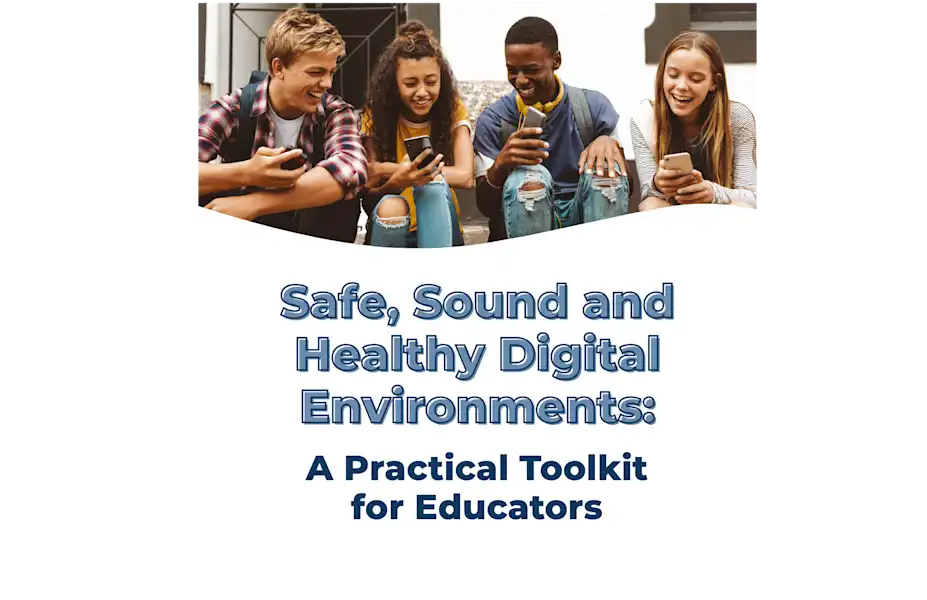
We partnered with Safe and Sound Schools to develop a comprehensive and practical toolkit for educators.
Building on insights from roundtable discussions with educators, mental health professionals and school resource officers about the impact of digital platforms on school environments, this toolkit was created to provide educators with the knowledge needed to support the safety and wellbeing of their students online including specific information about Snapchat.
We hope you find this guide to be a valuable resource for your school community.

Issue-Specific Resources
Below are a handful of resources you can share with your teachers, counselors and others to help students handle risks they may face on Snapchat.
Sharing sexually explicit content is prohibited on Snapchat, and we encourage Snapchatters to never send or save sensitive images – even of themselves.
If one of your students finds themselves in a situation where their sensitive images are in the wrong hands, we encourage you to direct them to NCMEC’s Take It Down program, which Snap participates in.
Take It Down is designed to help teens prevent the online spread of their nude or sexually explicit images by having technology companies scan for and identify possible copies that may be circulating on their services. You can find more about the Take It Down program here.
We also encourage you to share Snapchat’s educational resource called Safety Snapshot, which informs Snapchatters about potential online risks and how to avoid them. You can view our Safety Snapshot about the consequences of creating and sharing intimate images here.
At Snap, we are working diligently to stop drug dealers from abusing our platform, and are committed to educating students on Snapchat and the general public about the dangers of illicit drugs.
We have a dedicated in-app tool, Heads Up, that surfaces educational content from experts to Snapchatters if they try to search for drug-related content or a range of terms related to the synthetic opioid crisis, including fentanyl.
We encourage you to share this content from our expert partners – which include the Centers for Disease Control and Prevention (CDC), the Substance Abuse and Mental Health Services Administration (SAMHSA), Community Anti-Drug Coalitions of America (CADCA), Shatterproof, Truth Initiative, and the SAFE Project – with your students.
We know that sexual harms like sextortion and grooming are risks that teens face across a range of online platforms, and we’ve designed our service with protections to help combat these risks. If a Snapchatter experiences these types of behavior, we encourage them to use our in-app tools to immediately report it so we can take appropriate action. Snapchatters can report media, accounts, and individual or group messages directly from the conversation itself.
Educators can view and share our Safety Snapshot series on sexual risks and harms – short-form videos related to financial sextortion, sexting and the consequences of creating and sharing nudes, online grooming for sexual purposes, and child sex trafficking.
We also encourage educators to view and share educational content from the U.S. National Center for Missing and Exploited Children (NCMEC) and the non-governmental organization Thorn.
Snapchat has an in-app mental health portal called Here for You, which provides in-app support to Snapchatters who may be experiencing a mental health or emotional crisis, or who may be curious to learn more about these issues and how they can help friends who may be dealing with them.
Here For You shows safety resources from experts when Snapchatters search for certain topics, including those related to anxiety, depression, stress, grief, suicidal thoughts, and bullying.
You can take a look and share with your students here.
If a student experiences bullying on Snapchat – or witnesses it happening to someone else – we encourage them to use our in-app tools to block the offending user and/or confidentially report the harmful content to our Trust & Safety teams, so they can take appropriate action.
If one of your students is experiencing this type of behavior, we recommend this resource.